Understanding the Importance of Accurate Measurements in Acid Storage
The Critical Role of Accurate Measurements in Acid Storage
Understanding Hydrochloric Acid and Its Properties
Hydrochloric acid (HCl) is a potent and widely used acid in various industrial applications, from metal cleaning to pH control in water treatment. Its corrosive nature demands careful handling and storage to ensure safety and efficiency. Hydrochloric acid possesses distinct properties, including high reactivity and the ability to dissolve many substances, making it essential to understand these characteristics thoroughly. Storage tanks for HCl must be constructed from corrosion-resistant materials to withstand the acid's aggressive behavior. Failing to recognize these properties can lead to improper storage solutions, risking leakage or structural failure of tanks and equipment.
The Importance of Precision in Acid Level Measurement
Accurate measurement of hydrochloric acid levels in storage tanks is crucial for operational safety, efficiency, and compliance with regulatory standards. A reliable acid level measurement ensures that the storage tanks maintain optimal levels, preventing overflows or shortages that could disrupt processes. Precision is vital because even minor discrepancies can impact chemical reactions and result in hazardous situations. For example, an incorrect level gauge reading may lead to an inadequate supply of HCl for a critical process or an overflow that poses safety risks. Therefore, investing in high-quality measuring instruments that provide precise readings is essential for any facility handling hydrochloric acid.
Consequences of Inaccurate Level Readings
Inaccurate level readings in hydrochloric acid storage can have severe repercussions. First and foremost, safety hazards increase significantly. An overflow can lead to environmental contamination, equipment damage, or even personal injury. Furthermore, improper measurement can disrupt production processes. For instance, if a facility miscalculates the available volume of HCl, chemical level gauge it may delay operations or lead to the use of alternative, less effective chemicals, like sodium hydroxide (NaOH), which may not achieve the desired results. The financial implications of such errors can be substantial, ranging from cleanup costs to fines for regulatory non-compliance. Thus, maintaining accuracy in acid level measurement is not merely a best practice but a necessity for safe and efficient operations.
Types of Level Gauges for Hydrochloric Acid Storage
Mechanical vs. Electronic Level Gauges
Choosing the right level gauge for hydrochloric acid storage involves weighing the benefits of mechanical versus electronic options. Mechanical level gauges, such as float gauges, offer simplicity and reliability. They operate without electricity, making them suitable for remote locations where power supply may be an issue. However, they may not provide the same level of precision as electronic gauges. Electronic level gauges, including ultrasonic and radar types, deliver enhanced accuracy and can integrate with digital monitoring systems. These systems provide real-time data, allowing for more effective management of acid levels in storage tanks. Selecting the right gauge type hinges on specific operational needs, including precision requirements and environmental conditions.
Corrosion-Resistant Materials: Steel, Glass, and Beyond
The choice of materials for level gauges significantly impacts their longevity and effectiveness when dealing with corrosive substances like hydrochloric acid. Corrosion-resistant materials, such as stainless steel and glass, are common choices due to their ability to withstand harsh chemical interactions. Stainless steel provides durability while resisting the corrosive nature of HCl, making it a preferred material for many industrial applications. Glass, on the other hand, offers visibility, allowing operators to easily monitor acid levels without needing complex instrumentation. Other materials, such as certain plastics, may also be suitable depending on the specific conditions and concentrations of hydrochloric acid being stored. Understanding the material compatibility with HCl is essential for ensuring the reliability and longevity of level gauges in acid storage systems.
Choosing the Right Measuring Instrument for HCl
Selecting the appropriate measuring instrument for hydrochloric acid storage involves considering various factors, including the specific application, tank size, and environmental conditions. The instrument should provide accurate readings while being resistant to the corrosive properties of HCl. Factors such as temperature and pressure fluctuations also play a role in the selection process. Instruments must be able to withstand these conditions while maintaining reliability and accuracy. Many facilities opt for advanced level sensors that integrate seamlessly with existing monitoring systems, providing real-time data and alerts for any deviations from normal levels. Ultimately, the right measuring instrument enhances safety and efficiency in hydrochloric acid storage.
Advanced Technologies in Acid Level Measurement
Level Sensors: Enhancing Reliability and Accuracy
Modern level sensors represent a significant advancement in the measurement technology used for hydrochloric acid storage. These sensors employ various techniques, such as capacitive, ultrasonic, and radar technologies, to provide highly accurate readings of acid levels. The reliability of these sensors is critical, as they continuously monitor the tank levels and alert operators to any abnormalities. Unlike traditional gauges, level sensors minimize the risks associated with manual readings and provide immediate data that can inform operational decisions. This increased level of automation not only enhances safety but also optimizes chemical management, ensuring that hydrochloric acid levels remain within safe and effective ranges.
Integrating Pressure Gauges for Comprehensive Monitoring
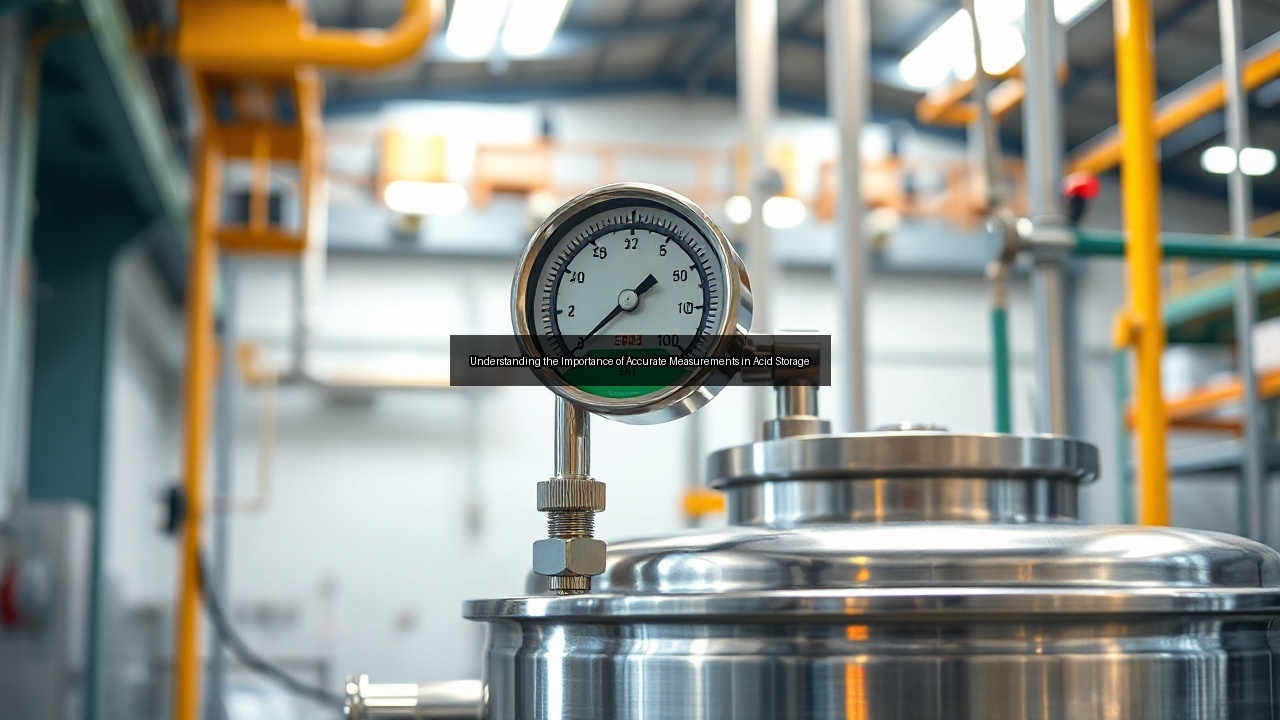
Integrating pressure gauges into acid storage systems offers a comprehensive approach to monitoring and managing hydrochloric acid levels. Pressure gauges provide valuable information about the pressure inside the storage tanks, which can indicate the volume of acid present. This integration allows for cross-referencing data from both level gauges and pressure gauges, enhancing the overall reliability of monitoring systems. Anomalies in pressure readings can signal potential issues, such as leaks or blockages, prompting immediate investigation and remediation. By combining these technologies, facilities can maintain a more robust understanding of their hydrochloric acid storage conditions, leading to safer and more efficient operations.
The Role of pH Measurement in Acid Storage
pH measurement plays a vital role in the safe storage and handling of hydrochloric acid. Monitoring the pH levels of stored acids helps ensure that the acid remains within the desired range for specific applications. Deviations in pH can indicate contamination or reactions that may compromise the integrity of the acid. Moreover, understanding pH levels aids in the safe handling of hydrochloric acid, particularly when mixing with other chemicals, such as sodium hydroxide (NaOH). pH sensors can be integrated into storage systems to provide real-time data, enhancing safety and operational efficiency. By keeping a close eye on pH levels, facilities can mitigate risks and ensure compliance with safety regulations.
Best Practices for Maintaining Acid Storage Systems
Regular Inspection and Maintenance of Tank Gauges
Regular inspection and maintenance of tank gauges are essential for ensuring the accurate measurement of hydrochloric acid levels. Routine checks help identify potential issues before they escalate, such as wear and tear on mechanical components or corrosion in electronic sensors. Establishing a maintenance schedule that includes cleaning, calibration, and replacement of worn parts is critical. These practices not only extend the life of the measuring instruments but also enhance their reliability and accuracy. Operators should document inspection results and maintenance activities to track performance over time, ensuring that the storage systems remain in optimal condition.
Monitoring Chemical Compatibility: HCl and NaOH
Monitoring chemical compatibility is crucial when storing hydrochloric acid alongside other substances, particularly sodium hydroxide (NaOH). Mixing HCl with NaOH creates an exothermic reaction, producing heat and potentially hazardous gases. Proper storage protocols must account for these interactions to prevent accidents and ensure safety. Facilities should implement strict guidelines for storing incompatible chemicals and consider using dedicated storage tanks for each substance. Regular training for personnel on the properties and risks associated with HCl and other chemicals further enhances safety. By maintaining awareness of chemical compatibility, facilities can prevent dangerous situations and promote a safer working environment.
Future Innovations in Acid Storage Technology
The future of acid storage technology promises exciting innovations aimed at enhancing safety and efficiency. Advances in materials science may lead to the development of even more robust and corrosion-resistant materials for tank construction and level gauges. Moreover, the integration of smart technologies, such as IoT sensors, can facilitate remote monitoring and data analysis, providing real-time insights into acid storage conditions. These innovations will enhance the reliability of level measurement and enable predictive maintenance, reducing the likelihood of equipment failure. Embracing these technological advancements will be crucial for facilities aiming to optimize their hydrochloric acid storage systems and ensure compliance with evolving safety standards.