Understanding the Science Behind Dual Shot Injection Molding
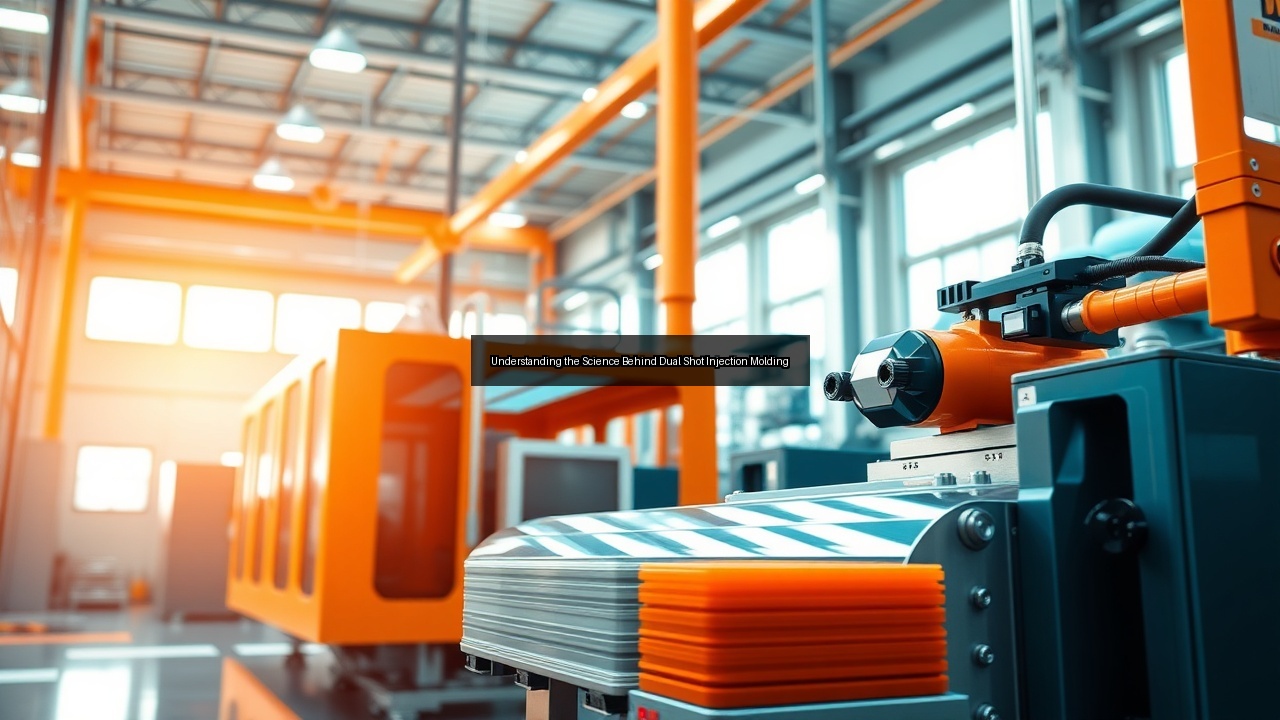
The Fundamentals of Dual Shot Injection Molding
Overview of Injection Molding Techniques
Injection molding stands as a cornerstone of modern manufacturing, providing efficient and precise ways to create complex plastic components. The technique involves injecting molten material into a mold, allowing it to cool and solidify into a desired shape. Traditional injection molding primarily focuses on single-material components, which limits the design possibilities. However, dual shot injection molding elevates this process by combining two different materials in a single cycle. This technique enhances product functionality, aesthetic appeal, and reduces assembly costs, making it a popular choice in industries ranging from automotive to consumer electronics.
Understanding Dual Shot Molding vs. Traditional Injection
Dual shot injection molding diverges from traditional methods by enabling the simultaneous or sequential application of two distinct materials. This capability allows manufacturers to create multi-material parts that exhibit varying properties, such as flexibility and hardness, within a single component. While traditional injection molding often requires secondary assembly processes to join different materials, dual shot molding eliminates this necessity, streamlining production and reducing potential points of failure. The dual shot molding technique not only saves time and costs but also improves the structural integrity of the final product by creating stronger bonds between materials.
Key Components of the Dual Shot Process
The dual shot injection molding process relies on several critical components, including specialized molds, injection units, and control systems. The mold itself must accommodate the different materials, featuring channels that allow for their distinct injection paths. Multiple injection units work in harmony to deliver each material at the right time and pressure, ensuring optimal layering and bonding. Advanced control systems monitor temperature, pressure, and timing, further enhancing precision. Understanding these components is essential for optimizing production processes and achieving high-quality outcomes in dual shot injection molding.
Materials and Their Impact on Dual Shot Injection Molding
Thermoplastics and Their Role in Dual Injection
Thermoplastics play a pivotal role in the dual shot injection molding process. These materials soften upon heating and solidify upon cooling, allowing for easy manipulation during molding. Their versatility makes them ideal for a wide range of applications, from rigid automotive parts to flexible consumer products. In dual shot molding, manufacturers often select thermoplastics that offer complementary properties, such as a hard outer shell combined with a soft inner core. This combination enhances the product’s functionality while meeting specific performance requirements. The ability to customize material combinations broadens design possibilities and paves the way for innovative product development.
Choosing the Right Materials: Plastics vs. Aluminum
When selecting materials for dual shot injection molding, manufacturers often weigh the benefits of plastics against those of aluminum. Plastics are lightweight, corrosion-resistant, and can be produced in a variety of colors, making them suitable for consumer goods. In contrast, aluminum offers superior strength and thermal conductivity, which can be advantageous in certain industrial applications. The choice between these materials ultimately depends on the specific requirements of the product, such as durability, weight, and cost-effectiveness. Understanding the properties of both plastics and aluminum allows manufacturers to make informed decisions that optimize performance while minimizing production costs.
The Importance of Extrusion in Dual Shot Processes
Extrusion serves as a vital process in dual shot injection molding, particularly when preparing materials for injection. During extrusion, raw thermoplastics are heated and forced through a die, creating continuous shapes that can be cut into specific lengths for injection. This step ensures uniform material consistency and quality, which is crucial for achieving optimal results in dual shot applications. The combination of extrusion and injection molding allows for more efficient production cycles and improved material utilization. By integrating these processes, manufacturers can enhance productivity and meet the growing demand for complex, multi-material components.
Sustainability and Innovations in Dual Shot Injection Molding
Exploring Sustainable Practices in Injection Molding
Sustainability emerges as a vital consideration in modern manufacturing, and dual shot injection molding is no exception. Manufacturers increasingly seek ways to minimize waste and reduce their environmental footprint. This includes optimizing material usage, recycling scrap, and selecting biodegradable or recyclable materials for production. Implementing sustainable practices not only aligns with global environmental goals but also appeals to consumers who prioritize eco-friendly products. Companies that lead in sustainable molding practices often find themselves at a competitive advantage, as they attract customers who value environmental responsibility alongside product quality.
The Role of 3D Printing in Enhancing Dual Shot Techniques
3D printing technology significantly enhances the capabilities of dual shot injection molding. By allowing for rapid prototyping and complex geometries, 3D printing enables manufacturers to design molds that incorporate intricate features not possible with traditional methods. Furthermore, 3D printing offers flexibility in material choices, allowing for the exploration of new thermoplastics and composites that can be used in dual shot processes. This synergy between 3D printing and dual shot injection molding fosters innovation, enabling manufacturers to create advanced products that meet evolving market demands while maintaining efficiency.
Leadership in Sustainable Molding Practices
Leadership in sustainable molding practices involves not only adopting eco-friendly materials and methods but also fostering a culture of innovation within organizations. Companies that prioritize sustainability engage their workforce in conversations about environmental responsibility, encouraging creative solutions to reduce waste and energy consumption. By investing in research and development, these leaders explore new technologies and processes that enhance efficiency and reduce environmental impact. This proactive approach to sustainability not only contributes to a healthier planet but also strengthens a company’s brand reputation, positioning it as a forward-thinking leader in the injection molding industry.
Applications and Future Trends in Dual Shot Injection Molding
Real-World Applications of Dual Shot Injection Molding
Dual shot injection molding finds application across various industries due to its ability to produce complex, multi-material components efficiently. In the automotive sector, manufacturers use this technique to create lightweight parts with varying hardness levels, enhancing both performance and safety. The consumer electronics industry benefits from dual shot molding by producing devices with ergonomic grips and aesthetic designs, combining soft-touch materials with hard plastics. Additionally, medical devices utilize dual shot molding to create components that require precise control over material properties, ensuring safety and efficacy. These real-world applications demonstrate the versatility and effectiveness of the dual shot technique in meeting diverse industry needs.
The Evolution of Overmolding Techniques
Overmolding has evolved as a complementary technique to dual shot injection molding, enabling manufacturers to add a second layer of material to an existing part. This method improves grip, cushioning, and aesthetics while enhancing the overall functionality of the product. The evolution of overmolding techniques has led to innovations in material combinations and production processes, allowing for greater design flexibility. As manufacturers continue to explore new materials and methods, overmolding becomes increasingly integrated with dual shot injection molding, further expanding its potential applications and benefits.
Future Outlook: Trends in Dual Shot and 2 Shot Processes
The future of dual shot and 2 shot injection molding processes looks promising, driven by technological advancements and increasing demand for customized products. Trends indicate a shift towards greater automation and precision, with the integration of smart technologies and data analytics in molding processes. This not only enhances efficiency but also allows for real-time monitoring and quality control. Additionally, as sustainability becomes a central focus, manufacturers will likely explore new materials and techniques that align with eco-friendly standards. The ongoing development of 3D printing and advanced material science will continue to shape the landscape of dual shot injection molding, paving the way for innovative solutions in manufacturing.
See Also
- Dual Shot Injection Molding A Game Changer for the Aluminum Industry
- Dual Shot Injection Molding Techniques for Complex Geometries
- A Deep Dive into the Dual Shot Injection Molding Process
- Leadership in Innovation Harnessing Dual Shot Injection Molding for Competitive Edge
- How Dual Shot Injection Molding is Revolutionizing Overmolding Processes