Maximizing Durability with Electropolished Stainless Steel Parts
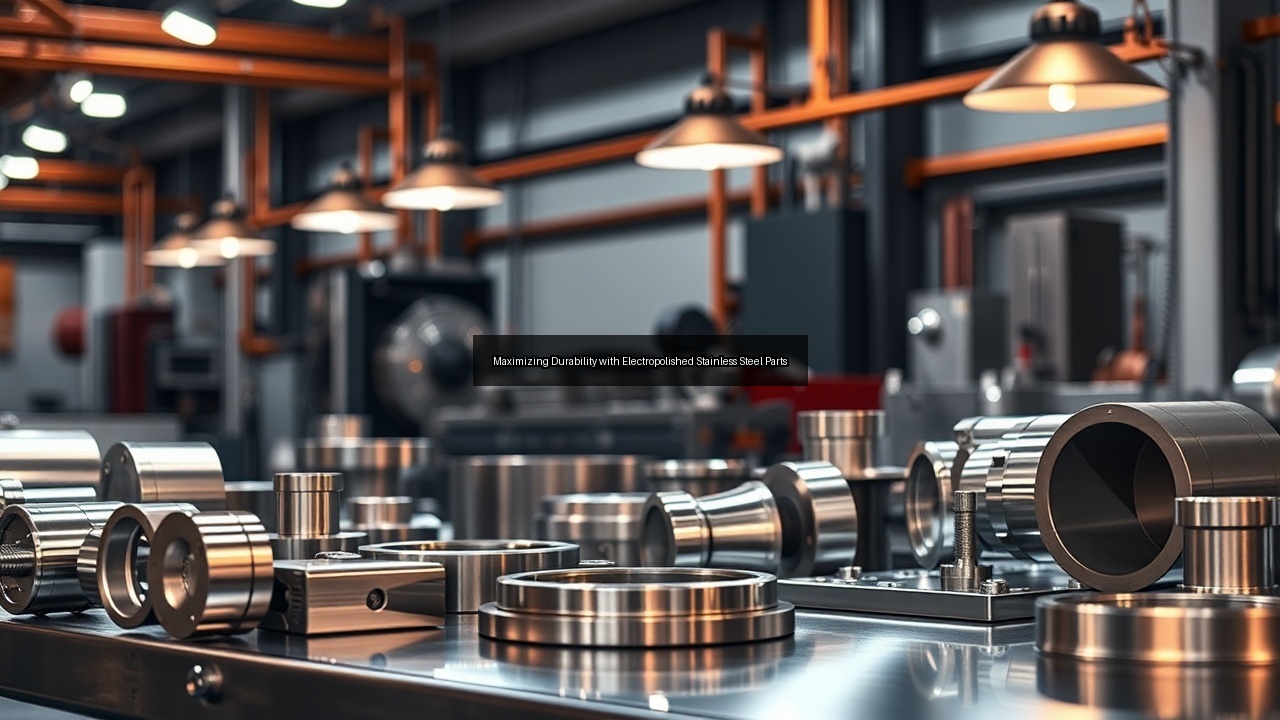
Understanding Electropolishing and Its Benefits
What is Electropolishing?
Electropolishing serves as a unique metal finishing process that enhances the surface of stainless steel products. This technique involves an electrochemical method, where stainless steel parts are submerged in an acidic electrolyte solution. An electrical current passes through the solution, effectively removing the outermost layer of material from the metal surface. This process not only smooths the surface but also eliminates contaminants such as oxides, leaving a clean and shiny finish. The result is a superior surface quality that significantly improves both aesthetics and functionality.
How Electropolishing Works
The electropolishing process begins by preparing the stainless steel components. After cleaning the parts to remove grease and dirt, they undergo immersion in a precisely controlled electrolyte bath. An electric current flows through the solution, causing the metal to dissolve selectively. This selective dissolution means that high points on the surface are removed first, allowing for a smoother finish. The process generates heat and releases gases, such as oxygen, which must be carefully managed to ensure optimal results. The outcome is a highly polished surface that enhances electropolishing services both the durability and appearance of stainless steel products.
Advantages of Electropolishing for Stainless Steel
Electropolishing offers numerous advantages for stainless steel components. Primarily, this process enhances corrosion resistance, making parts more durable in harsh environments. A smoother surface finish reduces the likelihood of corrosion by minimizing crevices where moisture and contaminants can accumulate. Furthermore, electropolished stainless steel exhibits improved cleanliness, making it ideal for industries where hygiene is crucial, such as food processing and pharmaceuticals. Additionally, the aesthetic appeal of electropolished surfaces elevates the overall quality perception of products, which can be a substantial selling point in competitive markets.
Applications of Electropolished Stainless Steel Parts
Industries Utilizing Electropolished Components
Electropolished stainless steel finds applications across various industries due to its enhanced properties. The food and beverage sector relies on electropolished components to maintain strict hygiene standards, preventing bacterial growth and contamination. Similarly, the pharmaceutical industry benefits from the smooth surfaces that electropolished stainless steel provides, ensuring that equipment meets stringent cleanliness criteria. In the aerospace and automotive sectors, manufacturers value the durability and lightweight nature of electropolished stainless steel components, which contribute to improved performance and efficiency in their products.
Key Products Made from Electropolished Stainless Steel
Numerous products benefit from electropolishing, showcasing this process's versatility. Common applications include valves, pumps, and fittings used in sanitary environments, which require a high level of cleanliness. Additionally, electropolished stainless steel is preferred for medical devices, such as surgical instruments and implants, where corrosion resistance and biocompatibility are paramount. Other notable products include semiconductor manufacturing equipment, where precision and surface quality directly impact performance. Each of these applications demonstrates how electropolished stainless steel enhances functionality and durability in critical environments.
The Role of Electropolishing in Semiconductor Manufacturing
In semiconductor manufacturing, the role of electropolished stainless steel is vital. The industry demands exceptionally clean and precise equipment to produce high-quality chips and circuits. Electropolishing reduces surface roughness, which minimizes contamination and defects during fabrication processes. Moreover, the corrosion-resistant properties of electropolished stainless steel prevent the leaching of metals into sensitive environments, protecting the integrity of the products being produced. By ensuring that tools and components maintain their performance over time, electropolishing directly contributes to the efficiency and reliability of semiconductor manufacturing processes.
Maximizing Durability Through Electropolishing
Enhancing Corrosion Resistance with Electropolished Surfaces
One of the most significant advantages of electropolishing is its ability to enhance corrosion resistance in stainless steel. The process removes impurities and creates a smoother surface that is less prone to pitting and crevice corrosion. For alloys such as 316L stainless steel, known for its excellent corrosion resistance, electropolishing further optimizes performance in challenging environments. The smooth finish reduces surface tension and minimizes the adhesion of contaminants, ensuring that the material remains protected. This enhanced durability is crucial for components exposed to moisture, chemicals, and other corrosive agents, especially in industries like marine and chemical processing.
The Impact of Surface Finish on Performance
The surface finish of stainless steel components significantly impacts their overall performance. Electropolishing provides a consistent and smooth finish that improves not only the aesthetic appeal but also functional characteristics. A finer surface reduces friction, which can lead to improved efficiency in moving parts, such as valves and pumps. Additionally, the enhanced surface quality promotes better adhesion for coatings and paints, extending the lifecycle of the products. In applications where precision is critical, such as machining and assembly, the benefits of an electropolished finish become even more pronounced, ensuring that components fit together flawlessly and operate smoothly.
Engineering Considerations for Electropolished Stainless Steel
When integrating electropolished stainless steel into engineering projects, several considerations come into play. The choice of stainless steel alloy, such as 316L, heavily influences the electropolishing outcome. Engineers must assess the specific environmental conditions the components will face and select materials accordingly. Additionally, the design of the parts should accommodate the electropolishing process, ensuring that all surfaces can be adequately treated for optimal performance. Understanding the nuances of heat treating and other pre-treatment processes is also essential, as these can affect the final quality of the electropolished surface. Proper engineering practices maximize the benefits of electropolishing, leading to robust and durable stainless steel products.
Choosing the Right Electropolishing Service
Factors to Consider When Selecting a Manufacturer
Selecting an electropolishing service requires careful consideration of several factors. First, evaluate the manufacturer's experience and expertise in handling stainless steel electropolishing. A reputable provider should have a proven track record of delivering high-quality results, along with the necessary certifications and compliance with industry standards. Additionally, consider the range of services offered, including pre-treatment and post-treatment options, which can enhance the overall quality of the finished product. Understanding the capabilities of the manufacturer, such as the types of stainless steels they can work with and their equipment, is crucial for ensuring that your needs are met effectively.
Questions to Ask Your Electropolishing Provider
When engaging with potential electropolishing providers, asking the right questions can help ensure a successful partnership. Inquire about their process for electropolishing stainless steel and whether they utilize advanced techniques that optimize results. Understanding the turnaround times and electropolishing services the capacity for handling your specific volume of parts is essential for project planning. Additionally, discuss quality control measures they implement to guarantee consistent results. Asking about the manufacturers’ experience with your specific type of stainless steel, such as 316L, can also provide insight into their capabilities and reliability.
Understanding the Cost Implications of Electropolishing Services
Cost considerations play a significant role in choosing electropolishing stainless steel services. Pricing can vary based on factors such as the complexity of the parts, the volume of components, and the specific requirements of the electropolishing process. Understanding the pricing structure and what is included in the service is essential for making an informed decision. While it may be tempting to opt for the lowest bid, consider the long-term value of quality electropolishing. Investing in a reputable service provider can yield better durability, performance, and aesthetics, ultimately proving more cost-effective over time.